Revenue War: AMAC Warns Motorists Against Paying Haulage Fees to FCTA Agents

Abuja, Nigeria – A jurisdictional battle has erupted in the nation’s capital as the Abuja Municipal Area Council (AMAC) officially challenged the Federal Capital Territory Administration (FCTA) over the legal right to collect haulage fees.
In a stern public advisory issued on February 2, 2026, AMAC warned motorists and transport operators to stop paying haulage levies to individuals claiming to represent the FCTA, describing the practice as a constitutional “infringement.”
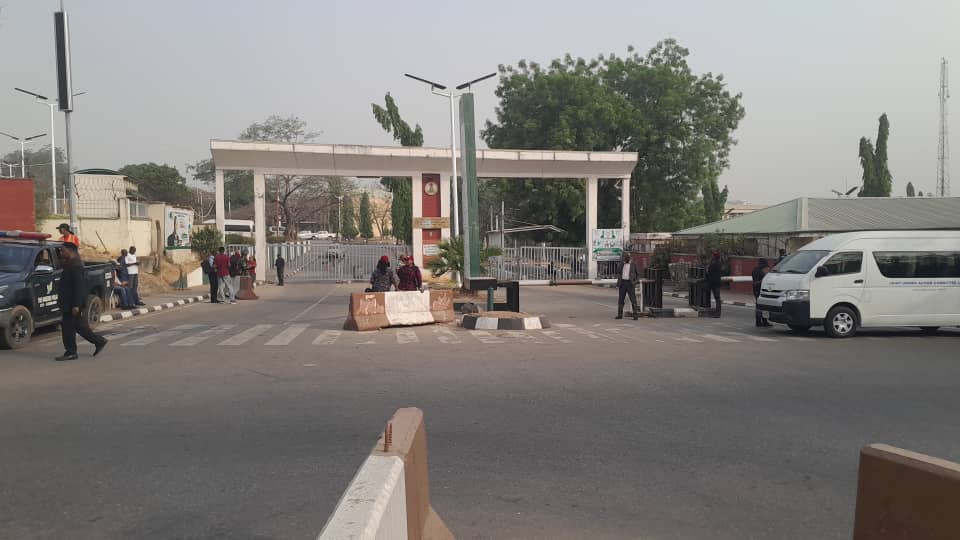
The controversy centers on collectors wearing branded red T-shirts with “FCT Haulage” inscriptions. According to Kingsley Madaki, the Senior Special Assistant on Media and Public Affairs to the AMAC Executive Chairman, Christopher Maikalangu, these individuals are patrolling city entry points and “illegally” demanding cash from heavy-duty vehicles.
“It is the constitutional right of the Area Council, not the FCT, to collect revenue on haulage,” the statement clarified. “We are seeing a trend where persons claiming to represent the FCTA Transport Secretariat are overstepping their bounds.”
This dispute is the latest flare-up in a long-standing “turf war” between the six Area Councils and the FCTA (currently led by Minister Nyesom Wike).
AMAC’s Position: Under the 1999 Constitution, local government councils have the exclusive mandate to collect specific internal revenues, including haulage fees, tenement rates, and shop levies.
FCTA’s Position: The administration has previously argued that it holds oversight for environmental and transport regulations across the capital, often leading to claims of “double taxation” by local business owners caught in the crossfire.
The revenue from haulage is a significant source of Internally Generated Revenue (IGR) for the Area Council. AMAC leaders argue that the diversion of these funds to federal agencies starves the local government of the resources needed for grassroots development, such as rural roads, primary healthcare, and local security.
As the 2026 local government elections approach, the pressure to secure these revenue streams remains a high-stakes issue for the Maikalangu administration.